- Home
- Goal Areas
- Career Goals
- How Career Stress Changes Your Daily Habits
How Career Stress Changes Your Daily Habits

A stressful job does not always announce itself through burnout or a breaking point. Sometimes it shows up in the half-finished breakfast or the extra hour spent awake when the body is asking for rest. That is the quieter reality of how career stress changes your daily habits. Once those patterns are easier to see, they become easier to interrupt with steadier, healthier choices.
The Science Behind Stress and Habit Formation
Habits form because the brain looks for efficient ways to repeat familiar actions. When stress rises, the brain leans harder on those shortcuts because decision-making requires more energy. That is why a demanding work season might lead someone back to routines that offer quick relief, even when those routines do not support long-term well-being.
The workday might end on the calendar, but the body does not always shift out of alert mode right away. A person might leave the office or close the laptop, yet the mind keeps rehearsing an unfinished task or a tense conversation. For some professionals, high-stress careers contribute to anxiety disorders when constant urgency and limited recovery become an ongoing pattern.
Over time, that stress response starts shaping life outside work. Small choices begin to happen from tension rather than intention. Understanding that pattern removes some of the shame around habit change and makes rebuilding healthier routines easier.
How Career Stress Changes Daily Habits
Career stress reshapes routine by narrowing attention. When the mind is tired, it focuses on whatever seems most urgent. Longer-term needs still matter to the person, but they get pushed aside in favor of immediate relief.
The changes below are not separate problems. They build on one another, which is why stress in one part of life may start changing the rhythm of the entire day.
Sleep Becomes Harder To Protect
Sleep is one of the first habits affected because stress keeps the body alert when it should be winding down. Bedtime arrives, but the mind keeps scanning for problems. A person might plan responses or worry about falling behind.
Over time, sleep starts to lose its protected place in the evening. One more email seems harmless. One more episode seems like a reward. Still, a delayed bedtime makes the morning harder, and the next day begins with less patience and lower mental clarity.
Food Choices Start Feeling Less Intentional
Stress changes eating by shifting attention away from nourishment and toward convenience. During a demanding day, food gets squeezed between tasks rather than chosen with care. The shift makes it easier to skip meals or rely on whatever is nearby.
The issue is not one imperfect meal. The larger problem appears when rushed eating becomes the normal rhythm. Hunger cues grow easier to ignore, and energy rises and falls in ways that make the rest of the day harder to manage.
Movement Slips Lower on the Priority List
Movement is easy to postpone when work pressure takes over. Your body could be tense, and exercise sounds like another demand. When energy is low, rest feels more practical than a workout.
The trouble is that the body still needs a way to discharge tension. Without movement, stress settles in the muscles and shows up as stiffness, restlessness, or fatigue. Even a short walk after work creates a transition. It marks a shift from performance mode into recovery.
Stress Hijacks Focus and Motivation
Focus changes when the brain is overloaded. Instead of working with steady attention, a person might jump between tasks or avoid starting anything that requires deep effort. Motivation then appears weaker, even when the person still cares about the outcome.
Stress narrows the window for patience. Hard tasks look bigger because the mind is already tired. Small distractions become more tempting because they offer quick relief. This creates a loop in which avoidance increases pressure, and pressure makes it harder to regain focus.
Relationships Get Less of Your Best Energy
Career stress quietly changes how someone shows up with others. After a demanding day, conversation requires more effort. A partner, friend, or family member might receive shorter answers or less warmth than intended.
Most people do not withdraw because they care less. They withdraw because they have spent emotional energy managing work demands. Still, relationships need presence to stay healthy. Even a brief moment of attention, without a phone or work thought in the background, helps repair the distance stress creates.
Coping Habits Become Harder To Notice
Coping habits are not always dramatic. They might look like scrolling past the point of enjoyment, snacking after every tense moment, staying busy to avoid silence, or working late to quiet guilt. These behaviors make sense because they quickly reduce discomfort.
The risk comes from repetition without awareness. A coping habit that began as relief might turn into the default response to stress. Noticing the pattern is not a reason for shame. It is the first moment where choice returns.
How To Rebuild Healthier Patterns Slowly
Healthier patterns return best through small, repeatable changes. A person under stress does not need a total life overhaul. They need one steady adjustment that makes the next good choice easier.
Start with the habit that creates the most relief. For many people, that means protecting a consistent bedtime or adding a short transition after work. The key is to make the change small enough to repeat on difficult days. A ten-minute walk, done four times a week, usually shapes a routine better than an intense plan that collapses after two days.
It helps to connect the new habit to an existing cue. After shutting the laptop, take a walk around the block. After lunch, step outside for a few minutes. A cue reduces the need to negotiate with yourself when motivation is low.
Progress should be measured by consistency, not perfection. Stressful careers will still create hard days, and routines will still get disrupted. However, every repeated choice teaches the nervous system that recovery belongs in daily life. Over time, healthier habits stop feeling like extra work and start becoming the structure that supports resilience.
Career stress has a way of creeping into ordinary routines before people realize what has changed. Naming how career stress changes your daily habits makes those patterns easier to interrupt. When recovery becomes part of the day instead of something saved for later, work pressure loses some of its power over life outside the job.
Let's continue the conversation
If you have a question, would like to explore an idea further, or you're wondering how this applies to your life, send me a message using the contact form, or email me directly.
I read every message personally, and I'm always happy to help if I can.
Looking for more goal setting inspiration?
Emotional Agility at Work: How to Respond Instead of React
Emotional agility at work means responding with intention, not reaction. Discover the science-backed skills that help you stay in control and focused.

Affiliated With
Everything on WiseGoals is built on evidence-based psychology and a commitment to helping people flourish. I'm proud to be part of professional organisations that share those values.

Recent Articles


-
What Went Well Exercise: Boost Gratitude & Momentum Step-by-Step
Jan 23, 26 05:33 AM
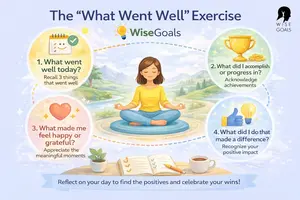 The What Went Well exercise shifts your focus to progress & gratitude. Learn how 5 minutes daily builds momentum!
 -
Everest Goals: How to Set Goals That Truly Inspire You
May 25, 25 11:22 AM
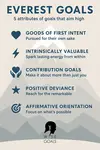 Discover the power of Everest goals—meaningful, energising goals that stretch you and align with your values. Learn how to shift your own goals in this way
 -
Contribution Goals: The Shift That Changes Everything
May 25, 25 11:19 AM
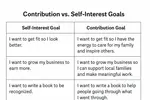 Discover the power of contribution goals and how reframing your goals as contributions can lead to greater motivation, mental wellbeing, and long-term success.