How to thrive and Become Happy
Understanding Happiness Can Transform Your Well-Being
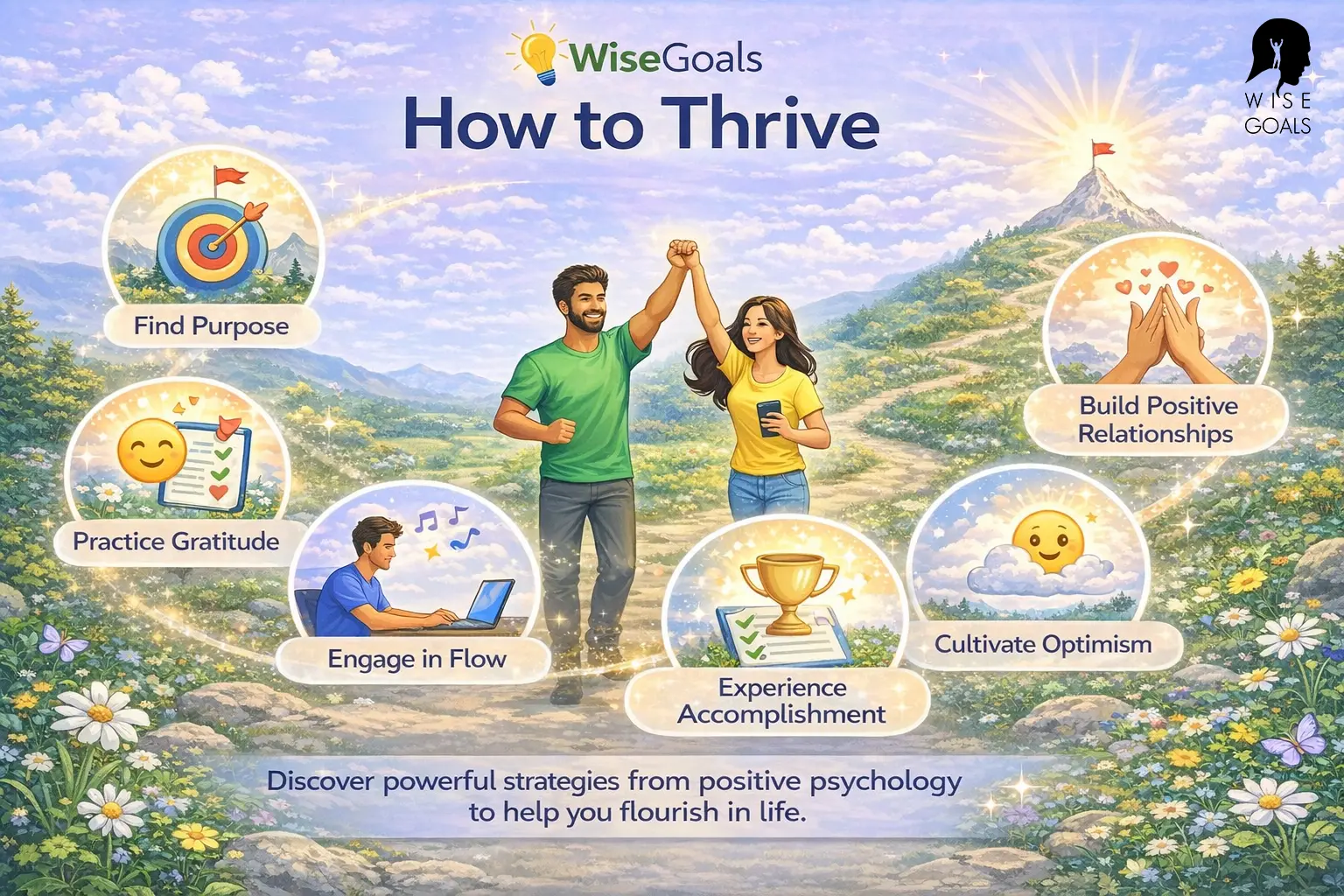
If you want to thrive in life an excellent starting point is Positive psychology, the scientific study of that which makes life wonderful.
Unlike traditional psychology, which often focuses on mental illness, this field explores strengths, happiness, and human potential. Founded by Martin Seligman in the late 1990s, it asks: How can we thrive, not just survive?
Research shows that practices like gratitude, resilience, and mindfulness can rewire our brains for greater psychological strength and wellbeing. Whether you're seeking personal growth or professional success, positive psychology offers evidence-based tools that do the job.
This guide breaks down the core principles of a thriving life, key researchers, and practical ways to apply them.
Ready to unlock a more fulfilling life? Let’s dive in.
What Is Positive Psychology and Why Does It Matter?
Positive psychology isn’t about forced smiles or ignoring life’s challenges. It’s a science-backed approach to understanding what makes life fulfilling.
While traditional psychology often focuses on fixing what’s broken, this field asks a different question: What builds resilience, joy, and meaning?
Whether you’re struggling with stress or simply want to thrive, its insights are surprisingly practical.
1. Core Definitions: Beyond "Happiness"
Positive psychology examines well-being, strengths, and human potential. It's not just about feeling good—it's about functioning well.
Key terms include:
- Flourishing (living with purpose, relationships, and engagement)
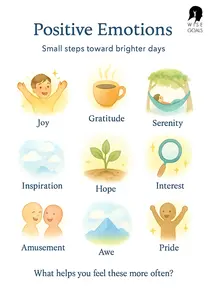
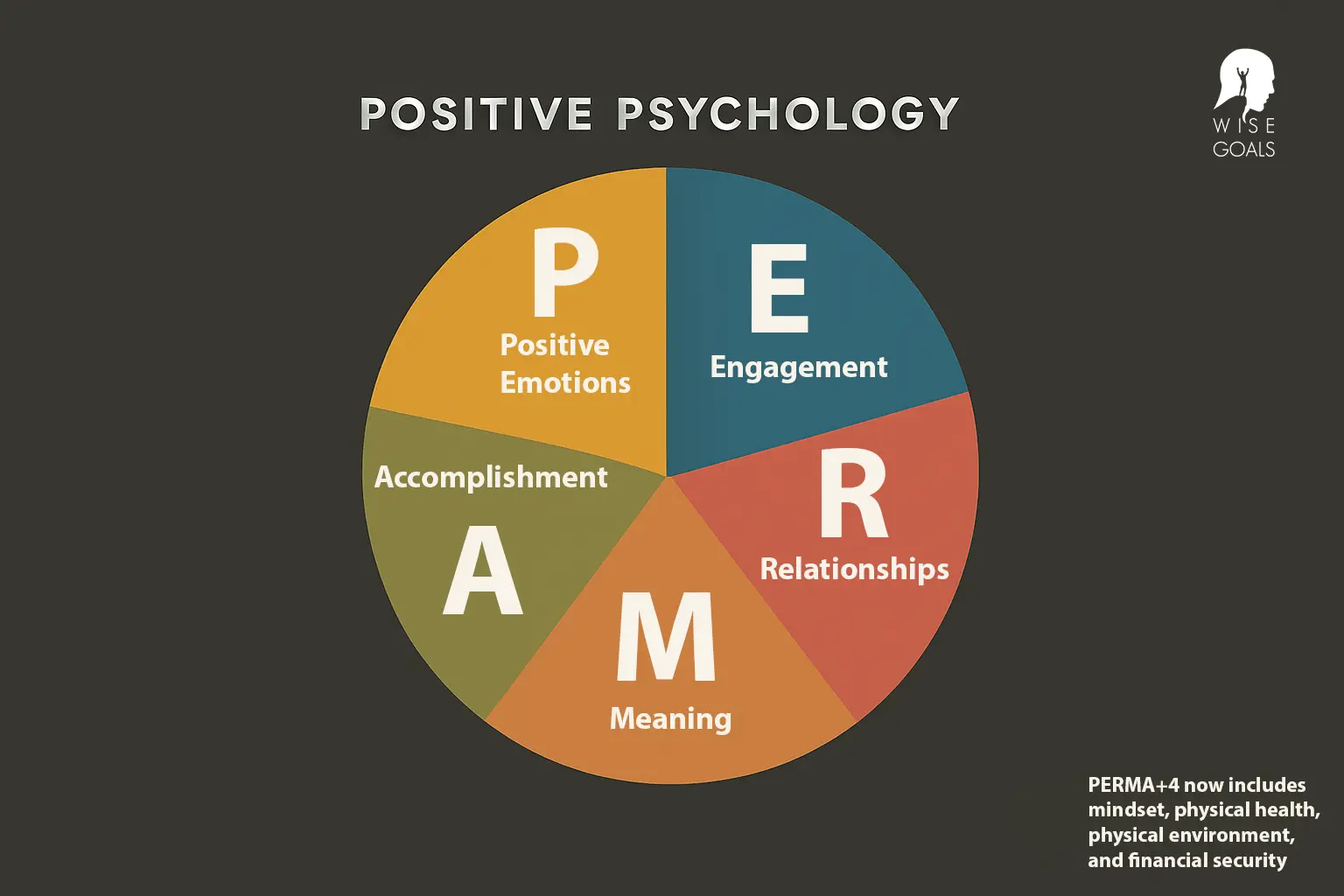
- PERMA model (Seligman's framework: Positive Emotion, Engagement, Relationships, Meaning, Accomplishment)
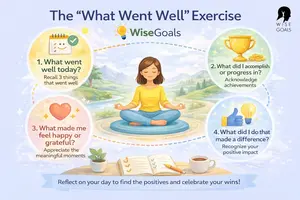
- Positive interventions (evidence-based exercises, like the What Went Well Exercise)
Free tools like the VIA Character Strengths Survey can help pinpoint your top traits—whether it's curiosity, kindness, or perseverance.
Unlike self-help trends, this field relies on rigorous research. It's applied science, not wishful thinking.
2. Why It’s Useful in Daily Life
Positive psychology offers tools for real-world resilience. It's not about eliminating stress but navigating it better.
Studies suggest that practices like mindfulness and strengths-spotting can improve relationships, work satisfaction, and even physical health.
For example, identifying your strengths—not just fixing weaknesses—can boost confidence and productivity. Our guide on using character strengths to achieve goals shows how to apply this research.
It's also used in schools, workplaces, and therapy. The goal? Prevention, not just cure—building mental health before crises arise.
3. What the Science Says
According to landmark research, 40% of our well-being is influenced by intentional activities (Lyubomirsky, Sheldon, & Schkade, 2005). Genetics and circumstances play smaller roles than we assume.
For instance, gratitude practices rewire the brain to notice positives, while flow states (deep engagement in tasks) enhance performance.
Critically, it’s not about toxic positivity. The field acknowledges suffering but asks: How can we grow through it?
From positive organizational psychology to clinical interventions, the data keeps expanding.
How to Apply Positive Psychology in Your Life
Positive psychology isn’t just theory—it’s a practical toolkit for everyday life. You don’t need a degree to start benefiting from its insights.
The key is consistent and varied practice. Small, intentional changes often create the most lasting shifts.
Below are four evidence-backed steps to build well-being, whether you’re new to the field or looking to deepen your practice.
1. Identify and Use Your Signature Strengths More
Positive psychology emphasizes working with strengths, not just fixing weaknesses. Start by recognizing what you naturally do well using our guide to character strengths.
Free tools like the VIA Character Strengths Survey (developed by Seligman and Peterson) can help pinpoint your top traits—whether it's curiosity, kindness, or perseverance.
Once you know them, use them intentionally. For example, if "love of learning" is a strength, dedicate time to explore new topics. Our character strengths article shows practical ways to apply them to goal-setting.
This isn't about ego. It's about aligning your actions with what energizes you—what researchers call "strengths-spotting".
2. Practice Gratitude Daily
Gratitude isn't just a cliché—it's one of the most researched interventions in positive psychology. Our What Went Well exercise guide explains why this simple practice works so effectively.
Try this: Each evening, jot down three specific things you're grateful for using the "What went well" method. They can be small (a good coffee) or profound (a supportive friend).
Studies suggest this habit rewires neural pathways over time, making it easier to notice positives even during stress.
No need for elaborate journals... Even irregular practice helps—do it for a week or two, then take a break. The benefits linger.
3. Cultivate Micro-Moments of Connection
Relationships are the cornerstone of well-being, but fostering them doesn’t require grand gestures.
Positive psychology highlights "micro-connections"—brief, genuine interactions. A shared laugh with a barista, a text to check on a colleague, or active listening during a chat.
These moments release oxytocin, reducing stress and fostering belonging. They’re especially powerful in workplaces and families.
Today, try pausing once to truly connect—without multitasking. Notice how it shifts your mood.
4. Design Your Environment for Flow
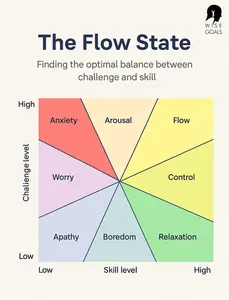
Flow states—those times you're fully immersed in an activity (explored in our Flow State Guide)—are linked to higher satisfaction.
Create conditions for it: Choose tasks that match your skills (not too easy or hard), minimize distractions, and set clear goals.
If you're new to this, start with 30-minute blocks. Over time, you'll recognize which activities make time dissolve.
Flow isn’t about productivity. It’s about engagement—a subtle but profound difference.
Where to Learn More About Positive Psychology
Positive psychology is a vast field, and if you’re curious to explore further, there are excellent books, videos, and online resources to deepen your understanding. Below are a few well-regarded recommendations—some foundational, others more practical—to help you continue your journey.
Books to Explore
- "Flourish" by Martin Seligman – The father of positive psychology expands beyond happiness, introducing the PERMA model and how to build a meaningful life.
- "The How of Happiness" by Sonja Lyubomirsky – A research-backed guide on intentional activities that boost well-being, with practical exercises.
- "Positivity" by Barbara Fredrickson – Explores the science of positive emotions and their impact on resilience and relationships.
Videos & Online Resources
Related Articles on WiseGoals
Whether you prefer reading, watching, or interactive learning, these resources offer valuable next steps.
Let's continue the conversation
If you have a question, would like to explore an idea further, or you're wondering how this applies to your life, send me a message using the contact form, or email me directly.
I read every message personally, and I'm always happy to help if I can.
Looking for more goal setting inspiration?
Affiliated With
Everything on WiseGoals is built on evidence-based psychology and a commitment to helping people flourish. I'm proud to be part of professional organisations that share those values.