- Home
- Learn Goal Setting
- Types of Goals (Outcome, process etc)
- Process Goals
Achieving Excellence: Understanding Process Goals
Process goals, also known as action goals, are vital in driving you towards success. Whether in personal development or your professional life, setting clear and achievable goals relating to what you actually do is crucial for your growth and progress.
Let's delve into the importance of this type of goal, explore how they differ from outcome goals, and provide strategies for effective goal setting and attainment.
Understanding Process Goals
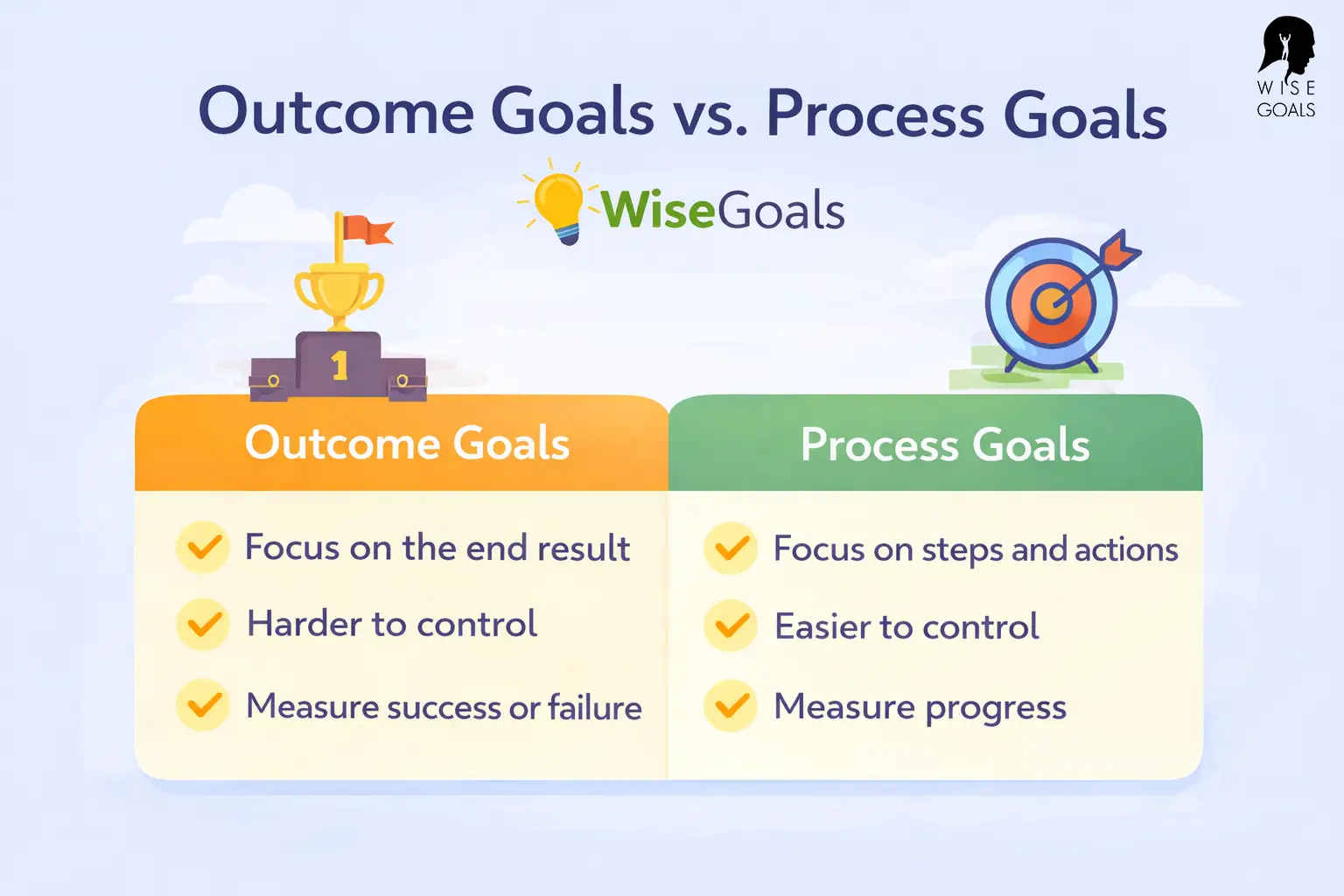
Process goals are the key to action and perseverance. They focus on behaviors that you can engage in to achieve desired outcomes. Unlike outcome goals, which emphasize the end result, they emphasize the steps required to reach your desired outcome.
For example, an outcome goal might be to increase your sales by 20% within a year, while process goals would involve actions like developing learning about the product, or implementing effective sales strategies.
When it comes to personal goals:
- An outcome goal might be to lose 10kg in a year, and the process goals could be to go to the gym 200 times in a year and eat a salad 5 times a week.
- If the outcome is to save $20,000 this year, the action goal might be to analyse costs and spending once a month and highlight 3 changes.
Outcome is the end point or the result, process is how you will get there.
It's important to both decide on the final destination and the multiple processes that will get you there.
Continually going through all the actions and pathways that bring you closer to your goal and selecting the most important one is the essence of effective time-management.
Importance of Process Goals
- Clarity and Direction: These goals make the paths to achievement clear and provide direction, helping you understand what specific actions you need to take to achieve your objectives. They break down larger outcomes into manageable actionable tasks, making the path to success more tangible and achievable. When you choose them well, action flows, and outcomes are reached quickly.
- Motivation and Engagement: Setting process goals can increase motivation and engagement by providing you with a sense of purpose and progress. When you have clear task-related goals to work towards, you are more likely to stay focused, committed, and driven to succeed.
- Accountability and Measurement: They create accountability by establishing clear expectations and benchmarks for success. They enable you or your team to track your progress, identify areas for improvement, and adjust your strategies.
- Skill Development and Growth: Pursuing process goals encourages skill development and growth. By focusing on specific actions and behaviors, you can enhance your capabilities, overcome challenges, and continuously improve your performance (how good you are at doing the processes) over time.
Setting Effective Process Goals
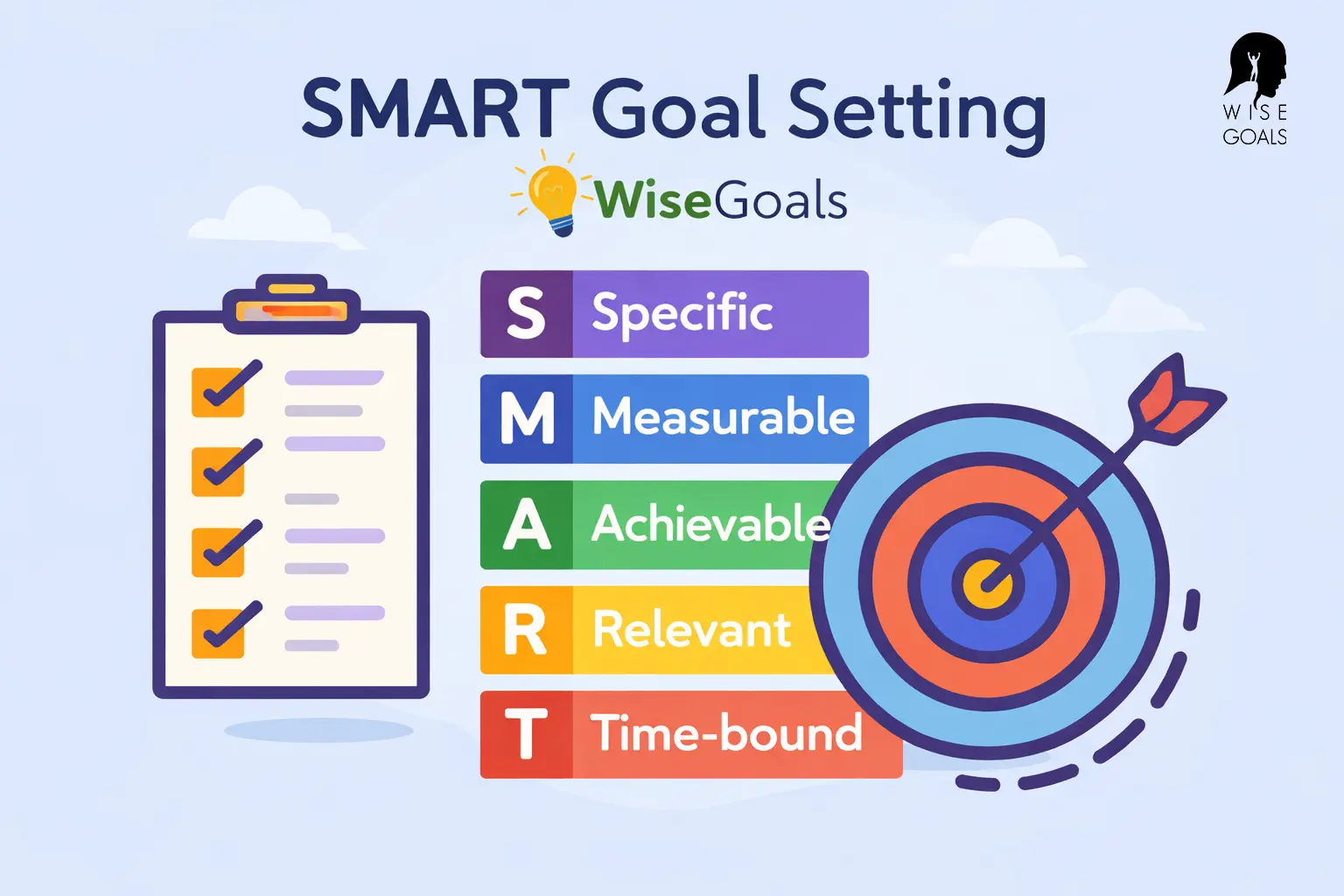
- Specific and Measurable: Process goals should be specific and measurable, clearly outlining what actions need to be taken and how success will be evaluated. Is it countable? Do you know for certain when you're half way there? How do you know? If you can answer yes, then it's specific and measurable.
- Achievable and Realistic: Process goals should be challenging yet achievable. Setting overly ambitious goals can lead to frustration and burnout, while setting goals that are too easy may result in complacency. It's important to strike a balance and set goals that stretch you, just a little, beyond your comfort zone. Too much, and you'll become deflated and dejected. This is different for each person and each situation, and it's something you get better at each time.
- Timed: Process goals should have a defined timeframe for completion. Setting deadlines helps create a sense of urgency and prioritization, motivating you to take action and make progress towards your goals. Like all other elements of goal setting, you know when you get this right when your behaviour does want you want it to do and you become energised. As Brian Tracey says, the unconscious loves a deadline.
- Aligned with Objectives: This type of goal should also align with your larger priorities. Whether personal or organizational, they should contribute to your overall vision and mission, ensuring that efforts are focused on activities that drive meaningful results.
Strategies for Goal Attainment
- Break Down Goals into Actionable Steps: Break down larger goals into smaller, manageable tasks and action steps. This makes goals more achievable and provides a clear roadmap for implementation.
- Prioritize and Focus: Prioritize goals based on importance and urgency, focusing on high-impact activities that align with objectives. Avoid spreading efforts too thin by trying to pursue too many goals simultaneously.
- Seek Feedback and Support: Seek feedback from peers, mentors, or supervisors to gain insights and perspectives on goal progress. Utilize resources and support systems to overcome challenges and stay on track towards goal attainment.
- Celebrate Progress and Adjust as Needed: Celebrate milestones and achievements along the way to maintain motivation and momentum. Be flexible and willing to adjust goals and strategies as circumstances change or new information emerges.
Conclusion
Process goals, also known as action goals, are essential for driving success and achievement in both personal and professional settings. By focusing on specific actions and behaviors, they provide clarity, motivation, and accountability, guiding you or your organization towards excellence.
By setting effective goals, prioritizing actions, and staying focused on progress, you can unlock your full potential and achieve your desired outcomes.
Affiliated With
Everything on WiseGoals is built on evidence-based psychology and a commitment to helping people flourish. I'm proud to be part of professional organisations that share those values.

Recent Articles


-
What Went Well Exercise: Boost Gratitude & Momentum Step-by-Step
Jan 23, 26 05:33 AM
 The What Went Well exercise shifts your focus to progress & gratitude. Learn how 5 minutes daily builds momentum!
 -
Everest Goals: How to Set Goals That Truly Inspire You
May 25, 25 11:22 AM
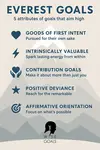 Discover the power of Everest goals—meaningful, energising goals that stretch you and align with your values. Learn how to shift your own goals in this way
 -
Contribution Goals: The Shift That Changes Everything
May 25, 25 11:19 AM
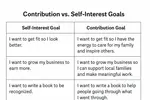 Discover the power of contribution goals and how reframing your goals as contributions can lead to greater motivation, mental wellbeing, and long-term success.