- Home
- Learn Goal Setting
- Goal Setting for Children
- Goal Setting Games
Make Learning Vital Life Skills Fun with Goal Setting Games
Goal-setting games help children learn important life skills in a fun, pressure-free way. By turning goals into play, children can explore planning, effort, persistence, and celebration — all while staying engaged and motivated.
Below are some simple goal-setting games you can use at home or in the classroom.
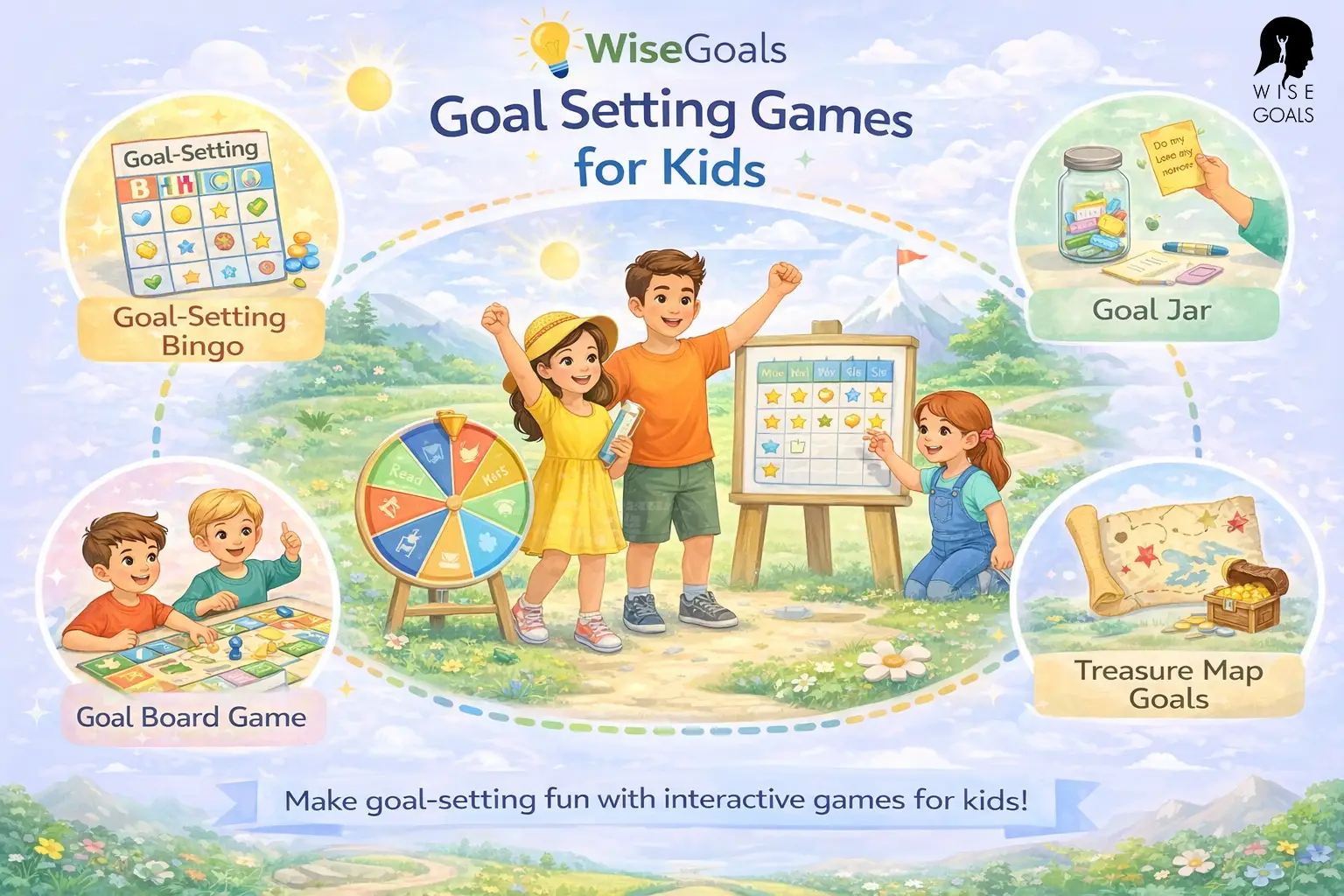
🎲 Goal-Setting Bingo
What it is:
A bingo-style game where each square represents a small, achievable goal or positive habit.
How it works
Children choose goals such as:
- Tidy my room
- Read for 10 minutes
- Help someone
- Try something new
Each time they complete a goal, they mark it off. When they complete a row, column, or full board, they celebrate.
Why it works:
Goal-Setting Bingo helps children:
- Break goals into small actions
- See progress visually
- Stay motivated through frequent wins
This game is especially effective for younger children who benefit from quick feedback and visible success.
🧩 Goal Board Game
What it is:
A simple board game where players move forward by completing goal-related actions.
How it works:
Each space on the board represents a step or challenge, such as:
- Set a goal
- Take one small action
- Overcome a problem
- Reflect on what went well
Children move forward by completing the task, not just by rolling a dice.
Why it works:
Goal board games teach children that:
- Progress happens step by step
- Effort matters more than speed
- Setbacks are part of learning
It reinforces the idea that goals are a journey, not just an outcome.
🏆 Goal Spinner or Choice Wheel
What it is:
A colourful spinner or wheel that randomly selects goals, habits, or actions.
How it works:
Each section of the wheel might include activities like:
- Practice
- Help
- Learn
- Create
- Reflect
Children spin the wheel to decide what goal or action they’ll work on next.
Why it works:
The spinner adds:
- Fun and surprise
- A sense of autonomy
- Reduced pressure around “choosing the right goal”
This is especially helpful for children who struggle with decision-making.
🫙 Goal Jar
What it is:
A jar filled with goal cards, challenge ideas, or reward slips.
How it works:
Children write down:
- Small goals they want to work toward
- Challenges they’re willing to try
- Rewards for effort (not just success)
They pull one from the jar daily or weekly and focus on that goal.
Why it works:
Goal jars help children:
- Connect effort with reward
- Build consistency over time
- Feel excited about working toward goals
It also encourages delayed gratification in a gentle, age-appropriate way.
🗺️ Treasure Map Goals
What it is:
A visual “treasure map” that shows the steps from where the child is now to their goal.
How it works:
Children draw:
- A starting point (where I am now)
- A treasure (my goal)
- Steps or milestones along the way
Each completed step brings them closer to the treasure.
Why it works:
Treasure maps help children:
- Understand that goals have multiple steps
- See obstacles as part of the adventure
- Stay motivated by visual progress
This works particularly well for creative learners and visual thinkers.
⏱️ “I Bet You Can’t…” Challenges
What it is:
A playful challenge-based way of setting goals that taps into children’s natural love of games, competition, and curiosity.
How it works:
Instead of talking about goals in a serious or abstract way, you turn them into short, exciting challenges:
- “I bet you can’t do this in 5 minutes.”
- “How fast do you think you could…?”
- “Let’s see if you can beat your last time.”
The focus is on trying, not being perfect.
Why it works:
Children are naturally motivated by challenges. This approach:
- Creates excitement and energy
- Encourages effort without pressure
- Makes goals feel playful rather than “grown-up”
Adding a light-hearted dare or reward can make it even more engaging — the sillier, the better.
A playful example:
You might say:
“If you finish this in 5 minutes, I’ll sing ‘Happy’ by Pharrell Williams while wearing your smelly socks on my arms.”
The point isn’t the dare itself — it’s showing children that trying is fun, mistakes are okay, and effort is worth celebrating.
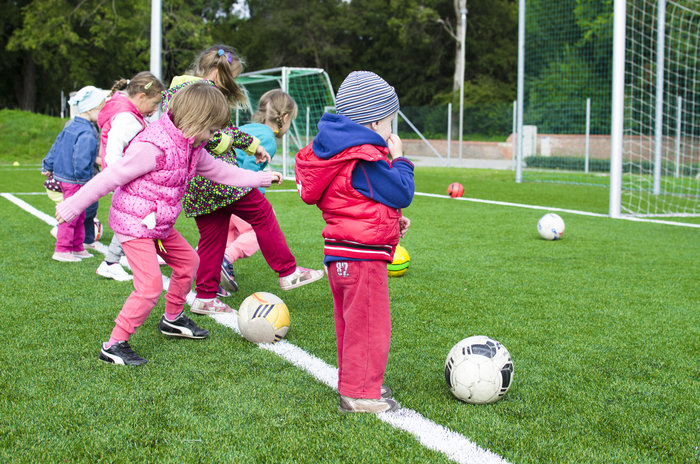
What children learn:
Through these challenges, children start to:
- Break tasks into small steps
- Build confidence through action
- Associate goals with enjoyment rather than pressure
By keeping goals small, playful, and challenge-based, children gradually get comfortable with the idea of goal setting — without ever feeling like they’re being taught it.
🌟 Why Goal-Setting Games Matter
Using games to teach goal setting helps children:
- Build confidence through small wins
- Learn persistence and problem-solving
- Develop healthy motivation
- Associate goals with fun, not pressure
When goals feel playful and achievable, children are more likely to carry these skills into school, relationships, and later life.
Let's continue the conversation
If you have a question, would like to explore an idea further, or you're wondering how this applies to your life, send me a message using the contact form, or email me directly.
I read every message personally, and I'm always happy to help if I can.
Affiliated With
Everything on WiseGoals is built on evidence-based psychology and a commitment to helping people flourish. I'm proud to be part of professional organisations that share those values.

Recent Articles


-
What Went Well Exercise: Boost Gratitude & Momentum Step-by-Step
Jan 23, 26 05:33 AM
 The What Went Well exercise shifts your focus to progress & gratitude. Learn how 5 minutes daily builds momentum!
 -
Everest Goals: How to Set Goals That Truly Inspire You
May 25, 25 11:22 AM
 Discover the power of Everest goals—meaningful, energising goals that stretch you and align with your values. Learn how to shift your own goals in this way
 -
Contribution Goals: The Shift That Changes Everything
May 25, 25 11:19 AM
 Discover the power of contribution goals and how reframing your goals as contributions can lead to greater motivation, mental wellbeing, and long-term success.